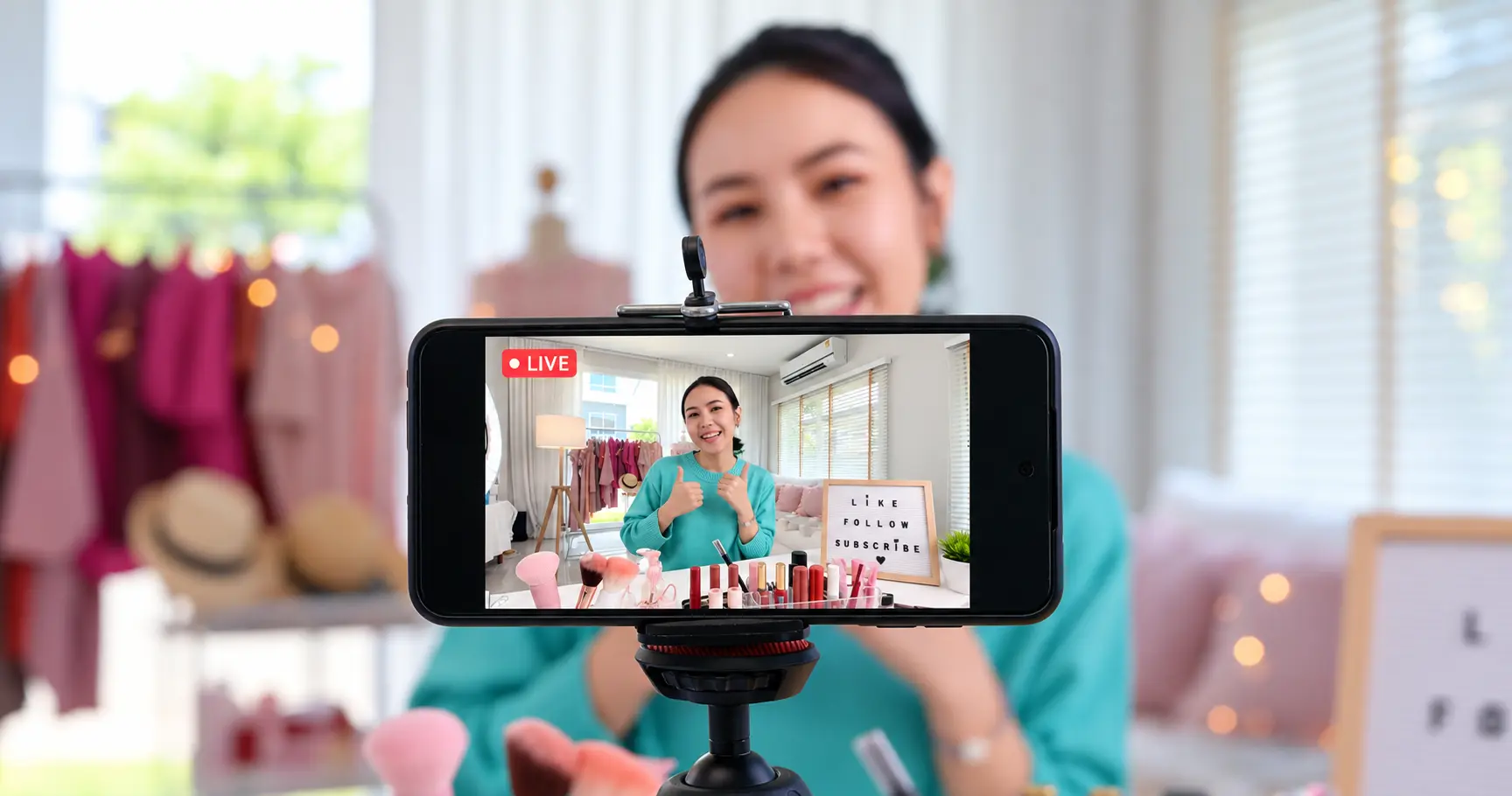
The role of micro-influencers has become increasingly significant due to the reduced interest of UAE-based audiences towards fame and increased interest towards relevance. A celebrity may provide a sense of reach, but a micro-influencer provides that of relevance, interaction, and engagement.
In this context, the key question for the UAE companies is not who has the largest follower base anymore, but who has the most credible influence over the target audience.
Why are UAE Brands rethinking Influencer Marketing?
A couple of years ago, a typical launch strategy for a Dubai brand entailed something like this: Hire an established face, arrange a nice photoshoot, advertise through a campaign, and wait for the reaction.
It appeared to be effective.
However, being noticeable and being influential are two different things.
Consumers today are much more careful. They know when there's a mismatch between the brands, analyze products in the comments section, look for reviews, ask friends, use Google, and sometimes even artificial intelligence prior to making their purchases.
That is where the role of micro-influencers becomes more important. Although their audience may be smaller, the interaction is more personal and more sincere.
To put it briefly, celebrity influence provides visibility, whereas micro-influence provides credibility.
What is a Micro Influencer?
A micro-influencer is usually a creator with a smaller but highly engaged audience, often within a specific niche, city, interest, or community.
They may be known for:
Dubai food reviews
modest fashion
fitness routines
skincare education
parenting content
real estate advice
café discoveries
wellness routines
business or LinkedIn thought leadership
It’s not just about how many followers they have. It’s about their suitability for the audience.
The micro-influencer may not be recognized by everyone in the UAE, but he/she may be trusted completely by the people who actually matter to a particular brand.
That is the difference.
Why are Micro Influencers outperforming bigger names?
Micro-influencers generally tend to surpass the performance of celebrities, as their followers not only interact but also share insights, ask questions, save tips, and view their opinions as an intimate one-on-one conversation.
In recent influencer marketing research, it has been found that small creators are capable of producing better engagement rates when compared to large celebrity influencers. This is mainly due to the directness of the small community, which makes everything more conversational and relatable.
For instance, a celebrity posts on social media regarding a new restaurant opening in Dubai.
However, a Dubai-based foodie visits it personally, tells his audience what dishes to try, the pricing, and the vibe, answers any queries, and brings down the level of hesitation.
One raises awareness.
The other removes hesitation.
Why does this matter specifically in the UAE?
The UAE is a very social, visual, and comparison-driven market. Instagram continues to be one of the leading discovery platforms as well.
What does this mean for the brands in Dubai and Abu Dhabi? For them, social content is not just entertainment; it is part of the consumer’s journey.
A consumer discovers a clinic via a reel, studies the comments from the creator, searches for it on Google, makes price comparisons, comes back to Instagram, and finally, makes an inquiry.
In sectors such as restaurants, beauty, health and wellness, fashion, real estate, education, and hospitality, micro-influencers have now taken center stage. As a social media marketing agency in the UAE, we have realized this new trend well.
What makes Micro Influencers more credible?
Credibility lies in consistency. Micro-influencers tend to be consistent with their content in one particular niche.
They have established themselves through their tastes, habits, preferences, tone, and style.
This is important for UAE brands, as users see a lot of sponsored content. Only when the recommendations made align with their regular content can they be effective.
A recommendation from a skincare influencer about a clinic makes sense.
A recommendation by a café reviewer about a breakfast place in Dubai makes sense.
A fitness influencer posting about recovery meals makes sense.
When an influencer promotes everything from perfumes to properties to protein shakes all in one week, it creates skepticism.
Simply put, the appropriate micro-influencer provides more than just exposure. They provide context too.
How should UAE Brands choose the right Micro Influencer?
The right micro-influencer should match the brand’s audience, tone, category, and commercial goal.
A strong selection process should look at:
Audience quality
Are their followers real, local, and relevant?Content fit
Does their style match the brand’s positioning?Engagement quality
Are comments meaningful or generic?Category consistency
Do they regularly speak about this niche?Trust signals
Do followers ask for advice, prices, locations, or recommendations?Professionalism
Do they understand briefs, deadlines, usage rights, and disclosures?Performance potential
Can the content be tracked, boosted, reused, or linked to a campaign goal?
The best creator is not always the one with the prettiest feed. It is the one whose audience believes them.
What is the McCollins Media POV?
We at McCollins Media believe that those who succeed with influencer marketing in the UAE will be those who have gained their credibility among the communities. What should be done by brands is not to capitalize on the popularity of the creators but rather establish credibility.
This is the evolution.
Influencer marketing will move beyond being associated with famous people and more towards being part of a community.
As a branding development company in the UAE, McCollins Media thinks that the right creator partnership should help enhance the brand's positioning. Otherwise, it would create noise without leaving any lasting impression.
How can Brands use Micro Influencers more strategically?
Micro-influencer campaigns work best when they are planned as part of a larger content and performance ecosystem.
Instead of one isolated post, brands can create:
creator-led review series
monthly tasting or product drops
long-term ambassador partnerships
before-and-after content
founder and creator conversations
creator-led FAQs
paid ad versions of creator content
story highlight libraries
community event coverage
This gives the brand more value from every collaboration.
A creator reel can become a paid ad. A story can become a testimonial highlight. A product review can become website content. A creator Q&A can become an FAQ post.
In short, micro-influencer content should not disappear after 24 hours. It should become part of the brand’s content engine.
What should UAE Brands avoid?
The biggest mistake is choosing influencers only by follower count.
Avoid:
creators with low audience relevance
unclear campaign briefs
no usage rights agreement
no disclosure or permit checks
one-off posts with no follow-up
over-scripted content
no performance tracking
no plan to reuse content
The UAE brands should also be concerned with the regulations of using influencers for advertisement purposes. As per the guidelines laid down by the UAE Media Council, those who are engaged in advertising or creating content for advertising purposes on social media platforms must have the required advertisement license.
Trust isn’t only creative; it’s also professional and compliant.
FAQs
Are micro-influencers cheaper than celebrities?
Typically, yes. However, the real benefit lies in the relevancy, credibility, and potential to collaborate with several niche players rather than relying on a single big player.
How many micro-influencers should a UAE brand work with?
This is highly dependent on the goals of the particular campaign. Where launches are concerned, a select number of 5–10 influencers might achieve more than one widespread influencer. Brands could develop an ambassador network for awareness purposes.
Can micro-influencers drive sales?
Yes, particularly where there is traceable marketing, such as through promo codes, UTM codes, WhatsApp clicks, landing pages, or boosted posts by the creators themselves.
Should luxury brands work with micro-influencers?
Yes, as long as the creator’s target audience, tone, and aesthetic fit that luxury positioning. In premium branding, it’s all about creator fit and less about followers.
What is the biggest mistake brands make with micro-influencers?
The most common misconception is that they are just media slots rather than being treated as creative collaborators. The micro-influencer knows the audience. The brand only needs to define the message.